
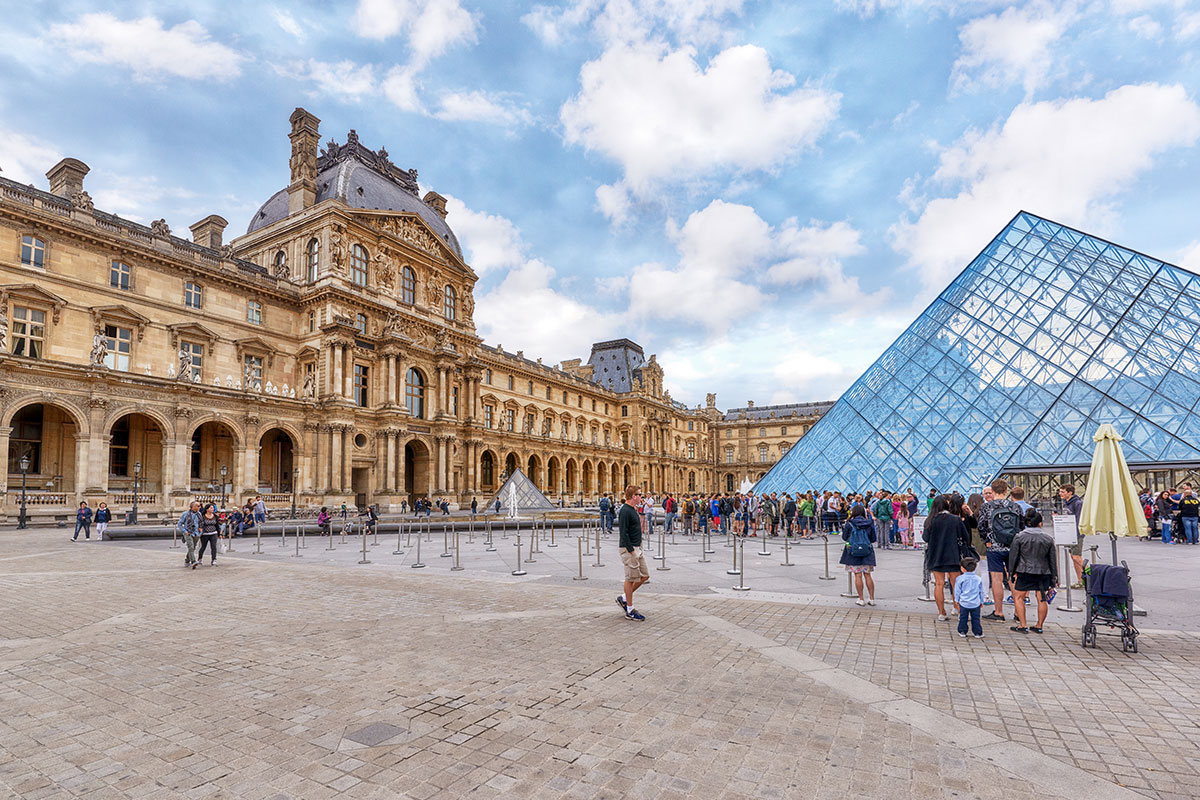
Visiter Paris à pied reste l’un des moyens les plus simples de relier les grands monuments du centre sans perdre du temps dans les transports. De Notre-Dame au Louvre, puis du Palais-Royal au Marais, cette boucle suit un parcours cohérent. Vous pouvez la parcourir en quelques heures ou l’étendre sur une journée avec des visites et des pauses.
Pourquoi commencer par le cœur historique de Paris ?
Le centre rassemble plusieurs visages de la capitale sur une distance raisonnable. Autour de l’Île de la Cité subsistent les traces du Paris médiéval. Quelques rues plus loin apparaissent les palais royaux et les hôtels particuliers du Marais.
Pour une première visite, ce secteur évite les trajets dispersés. Vous avancez à pied, adaptez votre rythme et gardez toujours une station de métro à proximité. Cette souplesse compte pour visiter Paris en famille : un enfant fatigue, la pluie arrive ou la pause déjeuner s’éternise ? Le parcours peut être raccourci sans perdre tout son intérêt.
Notre-Dame forme un point de départ pratique, entre les deux rives et à proximité de plusieurs lignes de métro ou de RER.
A guided tour of Paris, avec un guide conférencier qui aime partager et vous faire découvrir la ville, apporte un autre niveau de compréhension. Les transformations des quais, les anciennes fonctions des bâtiments et les traces des grands travaux urbains passent souvent inaperçues au premier regard.
Avec un guide conférencier, la promenade peut rester classique ou prendre l’angle d’une Unusual Paris visit, centrée sur les détails architecturaux et les épisodes moins connus.
Un itinéraire en boucle pour relier les sites majeurs du centre
Cette boucle relie Notre-Dame, le Pont-Neuf, le Louvre, le Palais-Royal, le Marais et l’Hôtel de Ville. Comptez environ deux heures de marche effective à allure régulière. Les arrêts, les visites intérieures et une pause repas portent facilement la sortie à une demi-journée.
Le tracé reste simple, mais gardez un plan hors connexion pour les petites rues du Marais.
De Notre-Dame au Pont-Neuf : parcourir l’Île de la Cité
Commencez sur le parvis de Notre-Dame. Prenez quelques minutes pour observer la façade occidentale, les portails sculptés et les deux tours. La cathédrale a rouvert au public le 8 décembre 2024, après les travaux menés à la suite de l’incendie de 2019.
Rejoignez la rue de la Cité, puis le boulevard du Palais. Vous passez devant la Sainte-Chapelle et la Conciergerie, deux vestiges majeurs de l’ancien Palais de la Cité. Les rois capétiens y ont résidé avant le déplacement progressif du pouvoir royal vers le Louvre.
La Sainte-Chapelle paraît presque discrète depuis la rue. Son intérêt se révèle dans la chapelle haute et ses vastes verrières. La Conciergerie raconte l’histoire du palais médiéval et de son utilisation comme prison pendant la Révolution française.
Poursuivez vers la place Dauphine. Protégée du trafic le plus dense, elle offre une respiration agréable avant le Pont-Neuf. Malgré son nom, celui-ci est le plus ancien pont de Paris encore conservé dans son état général.
Le square du Vert-Galant mérite le détour dès que son accès est ouvert. Quelques marches descendent au niveau de la Seine, sous le Pont-Neuf. Le fleuve prend alors davantage de place dans la promenade.
Du Pont-Neuf au Louvre : longer la Seine vers les grands monuments
Traversez le bras droit de la Seine, puis tournez vers l’ouest. Le quai du Louvre mène directement au palais, avec des vues sur l’Institut de France, le pont des Arts et les façades de la rive gauche.
Restez sur le quai haut avec une poussette ou une personne peu à l’aise dans les escaliers. Les berges restent accessibles selon les accès.
Entrez dans la Cour carrée par le côté oriental du palais. Cette arrivée donne une meilleure idée des dimensions du Louvre avant de rejoindre la pyramide. Le bâtiment a servi de forteresse médiévale, de résidence royale, de palais administratif puis de musée.
Passez sous le pavillon de l’Horloge pour atteindre la cour Napoléon. Même sans billet, faites le tour de la pyramide et observez l’alignement des bâtiments. L’espace est vaste, très fréquenté et peu abrité : en été, cherchez un coin d’ombre avant de repartir.
Le jardin des Tuileries prolonge le Louvre. Pour conserver la boucle, remontez vers la rue de Rivoli et le Palais-Royal.
Du Louvre au Palais-Royal : traverser le Paris monumental
Le Palais-Royal se trouve juste au nord du Louvre. Depuis la pyramide, rejoignez la place du Palais-Royal en passant sous les arcades ou en traversant la rue de Rivoli avec prudence.
Entrez par la cour d’honneur. Les colonnes de Buren occupent l’espace entre les façades classiques, puis les jardins apparaissent derrière les galeries couvertes. L’atmosphère y est souvent plus calme qu’autour du Louvre.
Le site a connu des usages très différents. Résidence princière, lieu de commerce et espace de promenade, il a aussi joué un rôle dans la vie politique avant la Révolution. Plusieurs institutions occupent aujourd’hui les bâtiments, tandis que les jardins restent ouverts au public selon les horaires du domaine.
Pour poursuivre, revenez vers la rue Saint-Honoré ou la rue de Rivoli, puis marchez vers l’est. Vous passez près des Halles et de la tour Saint-Jacques. La foule ralentit parfois le pas, surtout le week-end.
Du Palais-Royal au Marais : rejoindre les rues animées du centre
Depuis le Palais-Royal, gagnez le secteur des Halles, puis la rue des Lombards et la rue Sainte-Croix-de-la-Bretonnerie. La rue des Archives vous fait entrer dans le Marais par un itinéraire assez direct.
Les grands axes laissent vite place à des rues plus étroites, bordées d’hôtels particuliers, de cours et d’édifices religieux. Le quartier s’étend surtout dans les 3e et 4e arrondissements, avec de nombreux bâtiments construits entre les XVIe et XVIIIe siècles.
Pour une boucle courte, restez autour de la rue des Archives, de la rue des Francs-Bourgeois et de la rue Vieille-du-Temple. Avec davantage de temps, poussez jusqu’à la place des Vosges. Ses arcades offrent un abri appréciable par temps chaud ou sous une pluie légère.
Le square central permet de s’asseoir selon l’accès aux pelouses. Reprenez la rue des Francs-Bourgeois vers l’ouest, de préférence le matin ou en début d’après-midi.
Du Marais à Notre-Dame : revenir par l’Hôtel de Ville
Depuis la rue des Francs-Bourgeois, descendez vers la Seine par la rue Vieille-du-Temple, la rue du Temple ou la rue de Lobau. Ces itinéraires rejoignent tous la place de l’Hôtel de Ville.
Arrêtez-vous devant la façade. Le bâtiment actuel reprend un style néo-Renaissance adopté lors de sa reconstruction à la fin du XIXe siècle. Des événements ou des installations temporaires peuvent modifier certains passages.
Traversez le pont d’Arcole pour revenir sur l’Île de la Cité. Ce passage offre une belle perspective sur Notre-Dame et ramène directement vers le parvis.
Pour repartir, rejoignez Cité, Hôtel de Ville, Saint-Michel ou Châtelet. La rive gauche reste accessible par le Petit-Pont.
Combien de temps prévoir pour visiter Paris à pied ?
Pour la marche seule, prévoyez environ deux heures, avec des arrêts brefs devant les principaux sites. Une demi-journée offre un rythme plus confortable : vous aurez le temps de passer par la place Dauphine, de parcourir les jardins du Palais-Royal et de faire une vraie pause dans le Marais.
Une journée complète convient mieux avec une visite intérieure. Le Louvre demande à lui seul une sélection précise des collections. L’ajouter à toute la boucle peut rendre le programme trop chargé, surtout avec des enfants.
Voici des repères simples :
- deux heures pour marcher presque sans arrêt ;
- trois à quatre heures avec des pauses et plusieurs détours ;
- une demi-journée avec une visite intérieure courte ;
- une journée avec le Louvre ou deux monuments de l’Île de la Cité.
Pour visiter Paris en famille, ajoutez une marge pour le déjeuner, les toilettes et les arrêts imprévus. Avec de jeunes enfants, raccourcissez le passage dans le Marais ou terminez à l’Hôtel de Ville, puis reprenez le métro.
La météo pèse sur le rythme. Les quais exposent davantage au vent et au soleil, tandis que le Marais offre plus d’ombre. Par temps chaud, partez tôt et gardez une visite intérieure pour le milieu de journée.
Quels monuments visiter à l’intérieur pendant le parcours ?
Mieux vaut choisir une visite principale, puis éventuellement une seconde étape courte. Enchaîner Notre-Dame, la Sainte-Chapelle, the Conciergerie et le Louvre laisse peu de place à la marche et aux pauses.
Notre-Dame convient bien à une première découverte. L’entrée dans la cathédrale est gratuite. Des créneaux gratuits peuvent être proposés afin de limiter l’attente, avec des modalités susceptibles d’évoluer. Vérifiez les horaires et les conditions d’accès avant votre déplacement, notamment en raison des offices ou des événements religieux.
La Sainte-Chapelle s’adresse surtout aux visiteurs attirés par l’architecture gothique et les vitraux. Sa visite peut être associée à celle de la Conciergerie avec un billet jumelé. Le créneau réservé doit alors guider votre emploi du temps sur l’Île de la Cité.
La Conciergerie complète bien cette étape. Elle permet de comprendre l’ancien palais royal, ses espaces médiévaux et son rôle pendant la Révolution française.
Le Louvre demande une organisation différente. Réservez votre créneau et choisissez à l’avance quelques salles ou collections. Certaines peuvent fermer ponctuellement selon les travaux, les contraintes techniques ou les rotations d’ouverture. Consultez le calendrier du musée avant votre venue.
Une visite guidée peut aussi se concentrer sur les rues, les places et les façades, puis laisser la visite intérieure à votre rythme. Cette formule aide à replacer les monuments dans l’histoire de Paris sans transformer la balade en course contre la montre.
Questions fréquentes sur une visite de Paris à pied
Quelle distance couvre cet itinéraire dans le centre de Paris ?
La boucle représente plusieurs kilomètres de marche entre Notre-Dame, le Louvre, le Palais-Royal, le Marais et l’Hôtel de Ville. La distance exacte varie selon les détours et les monuments visités. Prévoyez des chaussures confortables, surtout avec des enfants ou si vous ajoutez la place des Vosges au parcours.
Peut-on visiter Paris à pied avec des enfants ?
Oui, cet itinéraire convient pour visiter Paris en famille, à condition d’adapter sa longueur. Prévoyez des pauses au Palais-Royal, sur la place des Vosges ou près de la Seine. Avec de jeunes enfants, vous pouvez terminer la balade à l’Hôtel de Ville et reprendre le métro.
Quel est le meilleur moment pour parcourir le centre de Paris ?
Le matin offre généralement une circulation piétonne plus fluide autour de Notre-Dame, du Louvre et du Marais. En été, partir tôt évite les heures les plus chaudes sur les quais. Le week-end, la rue de Rivoli et les rues commerçantes du Marais peuvent être très fréquentées.
Une visite guidée de Paris est-elle utile pour cet itinéraire ?
Une visite guidée aide à comprendre l’histoire des monuments, les transformations des quartiers et les détails architecturaux rencontrés en chemin. Un guide conférencier peut aussi adapter le parcours au temps disponible, à l’âge des participants ou à une thématique précise, comme le Paris médiéval ou les anciens palais royaux.